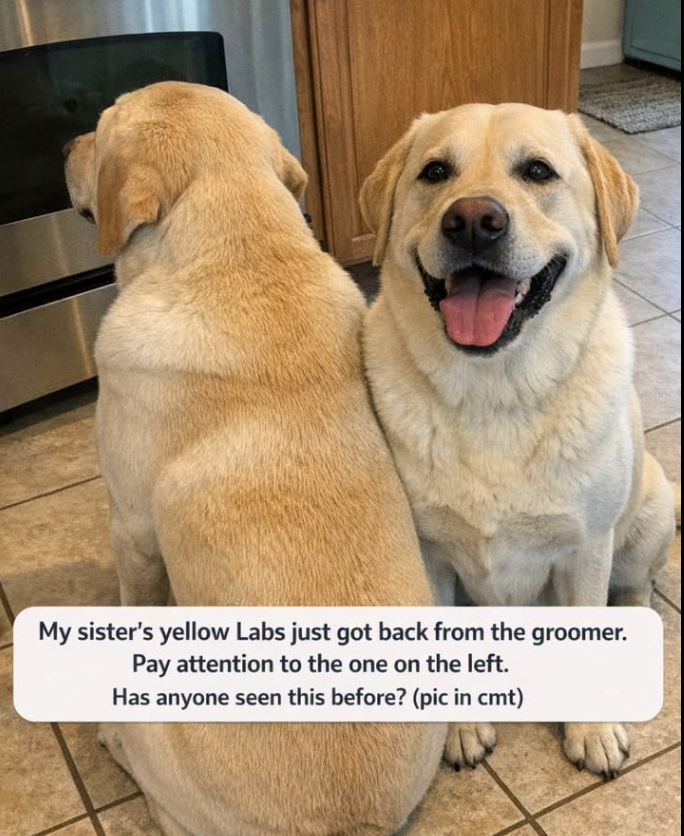
differ in all kinds of little ways: one may have lighter eyes, a wider blaze on the chest, darker paw pads, or more freckles on the gums. Tongue pigment can be one of those differences.
That said, comparison does help you notice function. If both dogs are panting comfortably after 20 minutes of normal activity, both are drinking normally, and only one happens to have dark spots, that’s reassuring. If the spotted-tongue dog is the only one acting tired, painful, or off food, behavior matters more than appearance.
- A quick at-home check takes less than two minutes
If your dog is calm, lift the lips and look at the tongue, gums, and inside cheeks in good daylight. A phone flashlight can help, but daylight from a window is often better because it gives truer color. Look for flat versus raised areas, smooth versus rough texture, and whether the spots are