took away from this experience.
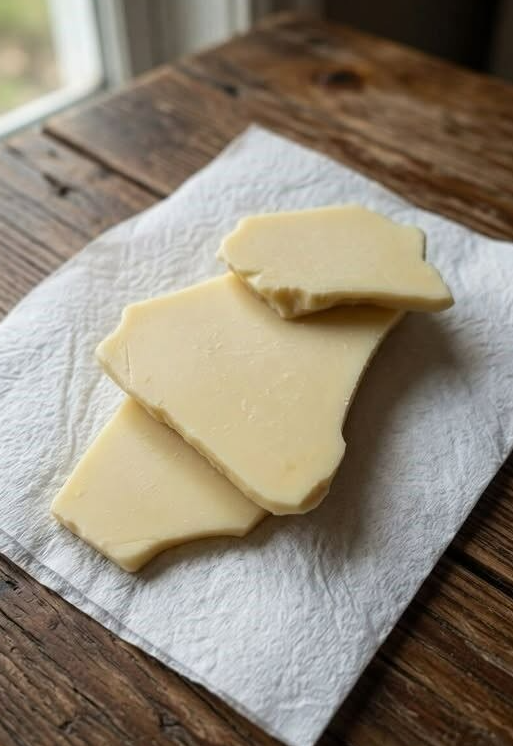
Most mysteries have mundane explanations. A hermit crab shell. A forgotten hair clip. A broken retainer. A piece of dried Play-Doh. Most of the time, the simplest explanation is the correct one.
The stories we tell ourselves are often wrong. My brain had constructed an elaborate fiction based on nothing. The truth was far less interesting—and far more humbling.
Assume good intent. If your child has given you no reason to distrust them, start there. Not naively—but generously.
Ask before accusing. “Hey, I found these white fragments in your room. Can you help me understand what they are?” This invites explanation, not defensiveness.
Apologize when you’re wrong. Not “I’m sorry, but…” A clean, honest apology. “I was wrong. I’m sorry.” This models accountability and repairs trust.
How to Avoid the Spiral (Practical Tips for Parents)
If you find yourself in a similar situation, here’s what