to reduce
osteoporosis risk.
Monitor caffeine consumption, ensuring it stays within moderate levels and
maintain adequate calcium intake to offset losses.
Choose whole fruits over sugary fruit drinks and limit packaged juices, focusing
on nutrient-dense beverages to support bone strength.
Maintain adequate vitamin D levels through safe sun exposure or
supplementation as advised by your healthcare provider.
Engage in regular weight-bearing exercise to stimulate bone formation and
maintain bone density.
When to See a Doctor
If you experience persistent bone pain, frequent fractures from minor injuries, or have
risk factors such as a family history of osteoporosis, consult your healthcare provider.
They may recommend a bone mineral density test (DEXA scan) to assess your bone
health and guide treatment strategies.
Discuss any concerns about alcohol or caffeine use with your doctor, especially if you
have existing bone conditions or are at risk for osteoporosis.
ADVERTISEMENT
Conclusion
Long-term consumption of certain
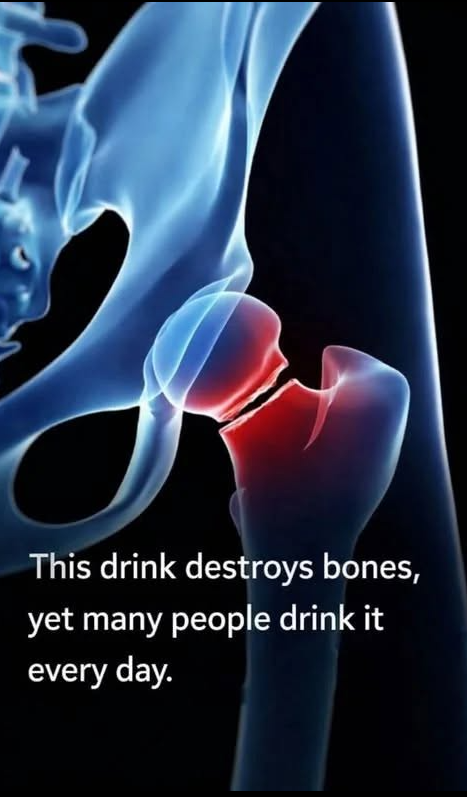
The five drinks that are most harmful to your bones, according to health experts