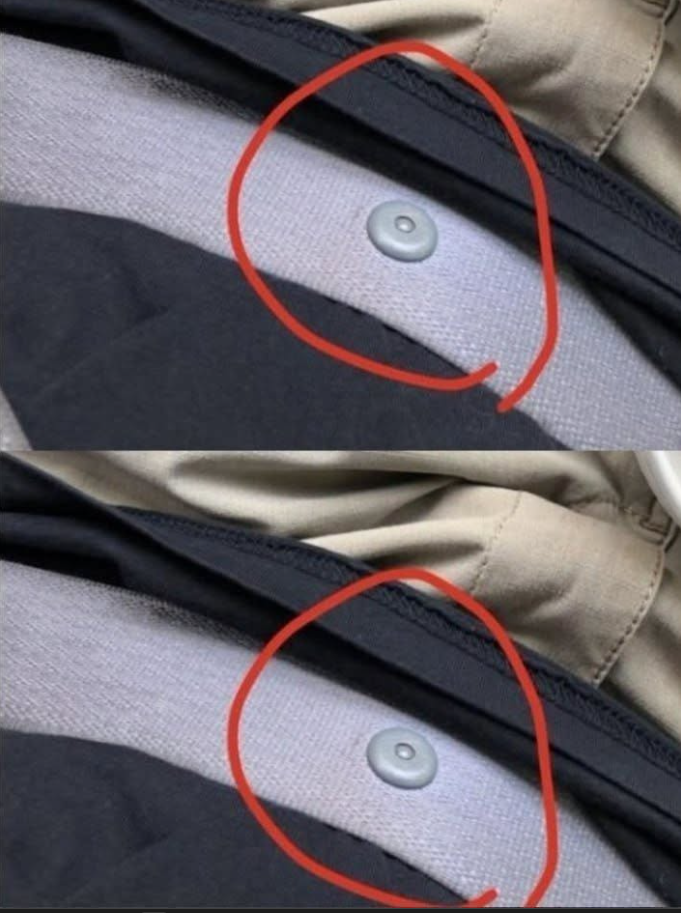
mechanism locks securely.
Also, inspect the webbing occasionally.
Look for obvious cuts, significant fraying, melted areas, contamination, or other visible damage. If you notice a problem, arrange a professional inspection rather than attempting a home repair.
Similarly, pay attention when a buckle fails to latch normally or releases unexpectedly.
Do not spray random lubricants into the buckle or dismantle the mechanism. Instead, follow manufacturer guidance.
After a significant collision, restraint components may also require inspection or replacement even when they appear normal from the outside.
Because recommendations vary among manufacturers