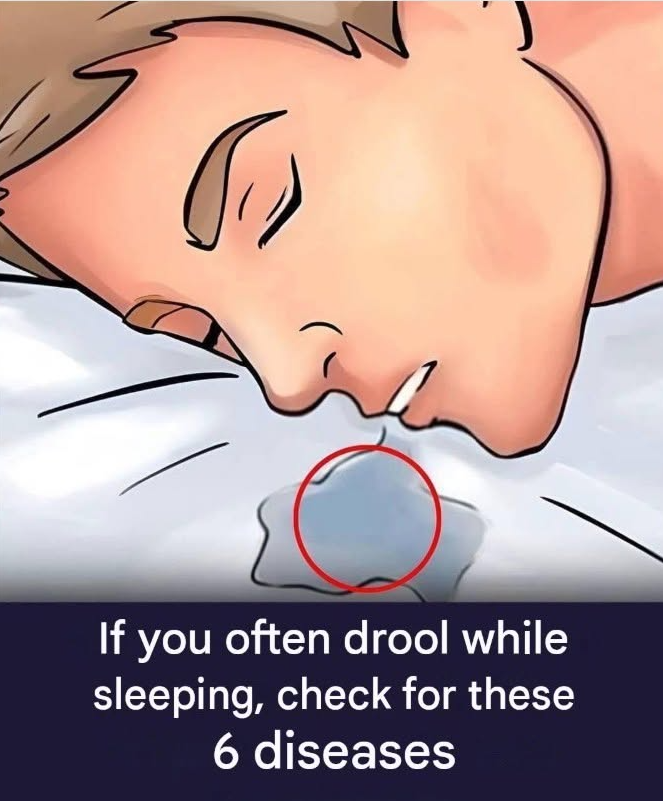
In the side-lying position, gravity encourages saliva to flow, especially if your mouth remains slightly open. This is common when you have a stuffy nose (cold, seasonal allergies, etc.). Fortunately, changing position can already improve the situation.
Nighttime revelation: Why does your mouth drool while you sleep?
Medications and salivation: an often overlooked side effect.
Certain medications can increase saliva production. This is particularly true of sedatives, antipsychotics, antibiotics, and even ibuprofen. This doesn’t mean you should stop your medication, but discussing it with your doctor may allow you to adjust the dosage or explore other, better-tolerated options.
Sleep apnea, reflux, ENT disorders: deeper causes.
Excessive salivation can also be linked to more complex conditions: sleep apnea, gastroesophageal reflux, or a deviated septum. These disorders promote mouth breathing… and therefore drooling. Associated signs may alert you: snoring, persistent fatigue, a feeling of suffocation at night. In this case, consult a