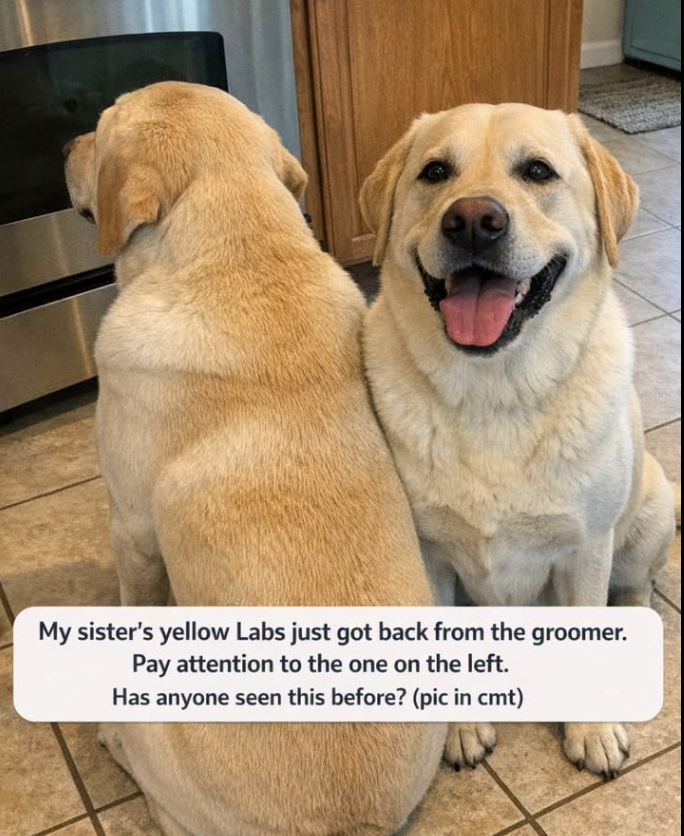
just darker in color. The dog should eat, drink, pant, and play normally. There should be no bleeding, cracking, bad odor, drooling beyond the dog’s usual amount, or signs of pain when chewing.
Color can range from dark gray to blue-black. The edges may be crisp or softly irregular. Some dogs have one spot near the tip, others have several across the middle, and some have matching pigment on the gums or roof of the mouth. If it has looked the same for months or years, that strongly points toward normal pigmentation.
- Age matters more than most people realize
If a dog has had the spots since puppyhood or since early adulthood, that is reassuring. Many owners simply don’t notice because dogs don’t hold their tongues still for inspection. Then one clear photo at age 3, 5, or 8 makes it seem new when it really isn’t.
What gets more