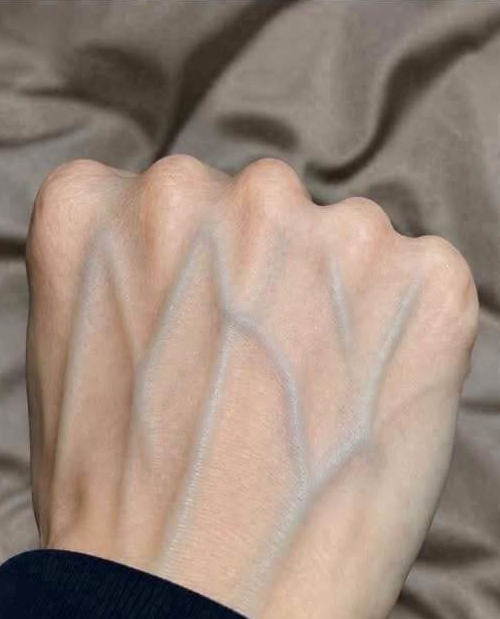
cause is chronic venous insufficiency, a condition in which blood has difficulty returning from the legs toward the heart. This can contribute to varicose veins, aching, swelling, and a feeling of heaviness, particularly after standing for long periods.
A more urgent concern is deep vein thrombosis, or DVT, which occurs when a blood clot forms in a deep vein. It can cause pain, warmth, swelling, or changes in skin color, although symptoms can vary and may sometimes be subtle.
Prominent veins can also occur when pressure builds up within the body’s venous system. In some cases of congestive heart failure, increased pressure can cause veins in areas such as the neck, arms, or legs to become more noticeable.
That does not mean every visible vein is evidence of heart failure or a blood clot. The surrounding symptoms and how quickly the change occurred are much more important than appearance alone.